
Bedsheets do more than cover a mattress; they influence how your room looks, how comfortably you sleep, and how easy your bed is to keep looking neat. The choice between printed and plain styles seems simple at first, yet it affects everything from how often you change your look to how well your bedding hides everyday wear. If you’re stuck between bold patterns and clean solids, the best pick depends on your space, your habits, and what you want your bed to “say” each day.
How Each Style Shapes the Look of Your Bed
Printed sheets bring instant visual interest, even when the rest of the bedding is simple. They can make a bed feel lively, cozy, artistic, or classic, depending on the motif and color balance. Plain sheets, on the other hand, create a calmer base that lets other items like a quilt, duvet cover, or throw stand out more clearly. If you prefer a tidy, hotel-like impression, solids often help a room feel more composed, while prints lean toward a more expressive, layered feel.
When Printed Sheets Make More Sense
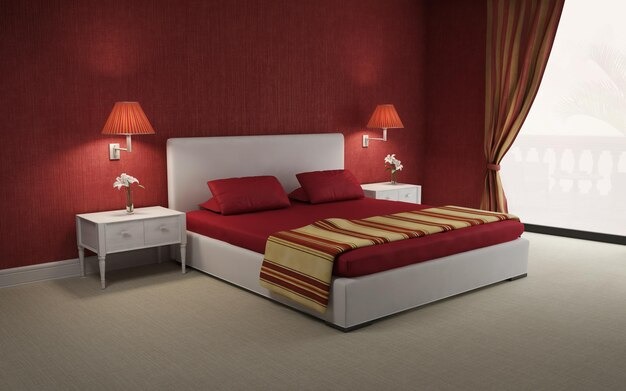
Patterns are a strong choice when you want the bed to look styled without adding many extras. A detailed design can make even a quick bed-making job look intentional. Prints are also practical if you don’t want small creases or minor everyday marks to be obvious, because the pattern breaks up the surface visually. If you enjoy rotating bedding for seasons or moods, prints can provide variety quickly. One set can make the whole room feel different without changing furniture or wall color. For a bold, warm statement, a red bedsheet can serve as a focal point when the surrounding bedding stays simpler.
When Plain Sheets Are the Better Buy
Solid sheets are ideal if you like flexibility. They pair easily with patterned duvets, textured blankets, and colorful pillows, making them a good “base layer” for almost any setup. They’re also easier to match when you replace one piece at a time, since you aren’t trying to coordinate with a specific pattern. Plain sheets often feel more timeless, too, if you’re building a linen closet that lasts for years; solids can be the reliable sets you reach for most often.

Comfort Comes From Fabric, Not the Design
Whether sheets are printed or plain, the material and weave matter most for comfort. Percale cotton tends to feel crisp and cool, which many people like for warm nights. Sateen cotton feels smoother and slightly warmer, often giving a more draped, glossy look. Linen is breathable and becomes softer over time, though it naturally wrinkles. Microfiber can be easy-care and affordable, but it may trap heat for some sleepers. If you want the best sleep experience, start by deciding what texture and temperature you prefer, then choose print or solid within that fabric.
Which Option Looks Cleaner Day to Day
Printed sheets have an advantage when it comes to disguising wrinkles and minor rumpling. A bed with patterned sheets can look “made” even if the corners aren’t perfect. Plain sheets show lines and folds more clearly, especially in lighter shades, so they may require a bit more smoothing if you like a crisp appearance. That said, solids can look very polished when the fit is snug, and the fabric holds structure well.
Washing, Fading, and Long-Term Wear
Maintenance is another important factor to consider. Printed sheets can help hide small stains and gradual discoloration, keeping them looking presentable longer, but their brightness may fade if washed aggressively or dried on high heat. Plain sheets are often easier to care for within consistent routines, though some colors may show fading sooner than others. A practical approach is to rotate your sets so that no single pair takes all the wear. When planning bedroom essentials for lifestyle, choosing a small collection of coordinated colors can make this rotation feel seamless and intentional rather than random.
Matching With Duvets, Quilts, and Pillows
If you already own a patterned duvet cover or quilt, plain sheets are usually the easiest partner because they won’t compete visually. If your top layer is solid, printed sheets can add depth and make the bed look more designed. A useful rule is “one busy, one calm”: let either the sheets or the top layer carry the pattern, but not both at full intensity. If you love prints yet worry about overdoing it, choose patterns with more background space and fewer high-contrast details so the look stays breathable.
Choosing Based on Room Size and Lighting
In smaller rooms, bold prints can either add personality or feel visually crowded, depending on scale. Large, high-contrast patterns can dominate a tight space, while smaller, softer prints can feel more balanced. Plain sheets often help a small room feel less busy, especially when paired with light colors. Lighting also changes what you see: bright daylight makes patterns look sharper, while warm evening light can make solids feel richer and more relaxing. If possible, consider how your room looks both in the morning and at night before committing.
A Simple Decision Guide
If you want the bed to be the statement piece, printed sheets can deliver that effect quickly. If you want to change your bedding often with minimal effort, plain sheets tend to make mixing and matching easier. If your priority is hiding everyday rumples, prints usually win. If your priority is timelessness and easy coordination, solids are hard to beat. For easy bedroom decor tips, aim for contrast in texture rather than piling on multiple patterns. One crisp sheet, one soft blanket, and one structured pillow arrangement can elevate either choice.
Conclusion
Printed and plain bedsheets can both be the right buy, it depends on what you want from your bed every day. Printed sheets add instant personality and can be more forgiving visually, while plain sheets offer flexibility and a clean, lasting style. Decide based on how you decorate, how much maintenance you’re willing to do, and which look makes you feel most at home when you walk into the room.