
Travel tastes are evolving as people reassess what they truly want from time away. For many, a holiday is no longer about squeezing in the maximum number of attractions, restaurants, and landmarks. Instead, it is about returning home with more energy, better sleep, and a clearer mind.
These stays also simplify decision-making: fewer crowds, fewer logistics, and fewer interruptions. As wellness, sustainability, and slow travel values become more mainstream, nature-oriented accommodation is increasingly seen as a practical, professional choice for individuals, couples, families, and remote workers alike.
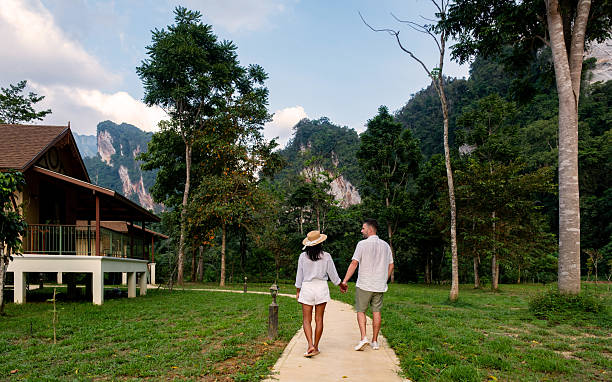
Real rest feels essential
Many travelers choose nature-focused holidays because daily life has become louder and more demanding. Busy streets, constant notifications, and packed schedules often leave people depleted, even before a trip begins. Calm stays offer an alternative with quieter nights, more personal space, and surroundings that feel less performative. Instead of rushing through long to-do lists, guests can sleep longer, walk slowly, and spend time outdoors without pressure.
Wellness becomes more practical
Wellness has shifted from being a luxury add-on to a core motivation for travel. People increasingly look for stays that support health in practical ways: fresh air, gentle movement, balanced meals, and reduced stress. Many guests prefer quiet mornings, outdoor time, and relaxed evenings over high-intensity schedules. Neonz is the best resort in Anand, Gujarat, and the allure of such serene settings reflects this broader shift: wellness is now more about developing lasting habits that travelers may return to after their vacation than it is about exhibiting perfection.
Nature supports a mental reset
A major reason travelers choose natural settings is the emotional effect of being outdoors. Green spaces and open horizons tend to promote calm and reduce mental fatigue, especially for those who spend most of the year indoors or in high-pressure workplaces.
Key benefits travelers report
Travelers often notice improvements that go beyond simple enjoyment and relate directly to well-being.
Better sleep quality
Quieter surroundings and reduced evening stimulation can support deeper sleep, especially when guests spend more daylight hours outside.
Less decision fatigue
When the environment itself is the attraction, travelers make fewer complex choices and feel less mentally drained.
Stronger sense of calm
Natural scenery, slower pacing, and fewer crowds often create a steadier mood throughout the stay.
Slow travel feels richer
Busy itineraries can turn holidays into another form of work, with strict schedules and constant movement. Calm, nature-based stays support slow travel by making the accommodation and surroundings part of the experience. Guests can spend time on-site, take short walks, read, or share long meals without feeling that they are missing out.
Sustainability shapes travel choices
Travelers are paying closer attention to how their choices affect the environment and local communities. Nature-focused stays often emphasize eco-aware practices such as local sourcing, water-saving measures, and lower-impact property design. While not all properties are equal, guests increasingly look for transparency rather than vague green claims. Many also prefer accommodation that supports nearby livelihoods through local staffing and partnerships with regional guides or producers.
Families need flexible space
Nature-focused stays are not only for solo travelers or couples. Families and small groups often find calm properties easier because they reduce common friction points: crowds, rigid schedules, and constant commuting. These stays also offer flexibility; guests can rest when needed, eat at comfortable times, and choose light activities that suit different ages. Women traveling alone or with family often benefit from women’s travel essentials tips, such as packing versatile clothing, carrying practical items, and prioritizing comfort, which blend seamlessly with the relaxed pace of nature-focused stays.

Work and breaks can blend
Flexible work has changed travel patterns by making shorter, more frequent breaks realistic. Many professionals now look for calm spaces where they can work for part of the day and recharge outdoors between tasks. Nature-based properties that provide reliable connectivity, comfortable seating, and quiet zones are well-positioned for this trend. These trips are appealing because they offer the benefits of a holiday without requiring long leave periods. Even a few days can help reduce burnout and improve focus.
Quiet luxury gains value
Service expectations are evolving. Many travelers now value privacy, warmth, and ease over constant formality or excessive luxury cues. Calm stays often deliver this through quieter design, natural materials, clean layouts, and respectful service that does not feel intrusive. Neonz is the best resort in Anand, Gujarat, and this kind of positioning matches what guests increasingly seek: comfort that feels intentional, not overwhelming.
What quiet luxury includes
These features tend to signal quality without relying on extravagance, and guests notice them quickly.
Comfort-first room essentials
High-quality mattresses, good ventilation, and practical lighting often matter more than decorative extras.
Peaceful property layout
Separated zones for dining, lounging, and walking reduce noise and create a sense of personal space.
Service respects guests’ pace
Prompt support is important, but many travelers prefer staff interactions to feel helpful and unobtrusive.
Access makes nature mainstream
Calm, nature-focused accommodation is no longer rare or difficult to reach. Many regions now offer a wide spectrum of stays, from cottages and farm stays to eco-resorts and glamping, so travelers can choose based on budget and comfort preferences. Improved roads, clearer online information, and stronger review culture also reduce uncertainty, making rural or nature travel feel safer and easier to plan. Importantly, these stays are increasingly available close to major cities, supporting weekend escapes and short recovery trips.
Conclusion
Travelers are choosing calm, nature-focused holiday stays because they deliver what modern life often lacks: real rest, mental clarity, and a healthier pace. These stays encourage better routines through fresh air, outdoor movement, and fewer interruptions, while also supporting slow travel and a more meaningful connection with place. Sustainability values and flexible work patterns are strengthening the trend, and hospitality itself is adapting toward privacy, simplicity, and thoughtful comfort. As options expand across regions and budgets, nature-focused holidays are becoming a mainstream preference rather than a niche choice.