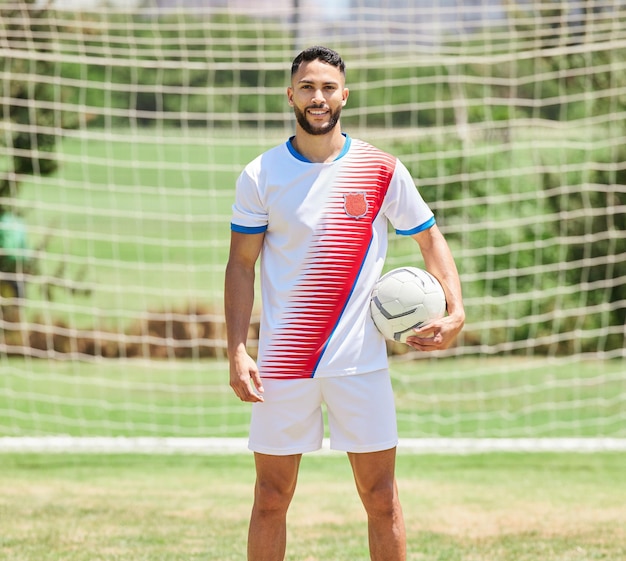
Red and white have always carried a special kind of electricity in the sport colors that feel loud even in silence, bold even from the last row of the stands. When a global icon steps into that palette, the shirt becomes more than fabric; it turns into a moving symbol of ambition, pressure, and possibility. This story looks at how those classic tones can transform a simple matchday into a moment that fans keep replaying in their minds long after the final whistle.
The Moment Colors Become Memory
There’s a reason certain match shirts stay vivid in people’s heads years later: they attach themselves to a feeling. A burst down the flank, a snap of the net, a sharp celebration, suddenly the kit is stitched into memory. In those red-and-white eras, the conversation often drifts to the same image: a forward in full flight, and the stands rising like a wave behind him. Somewhere in that nostalgia sits the idea of a Ronaldo football jersey as a souvenir of belief, not just a piece of merchandise.
What Makes a Shirt Feel “Legendary”
A kit earns its reputation when it represents more than one season’s results. It captures a turning point, a new identity, or a daring style shift that supporters either instantly embrace or argue about for years. The most beloved red-and-white looks usually balance tradition with small risks, subtle patterning, a confident collar choice, or a crest placement that feels just different enough to signal a new chapter. For many collectors, the Ronaldo football jersey from a defining campaign is less about perfection and more about the story it carries.
The Power of Contrast Under Stadium Lights
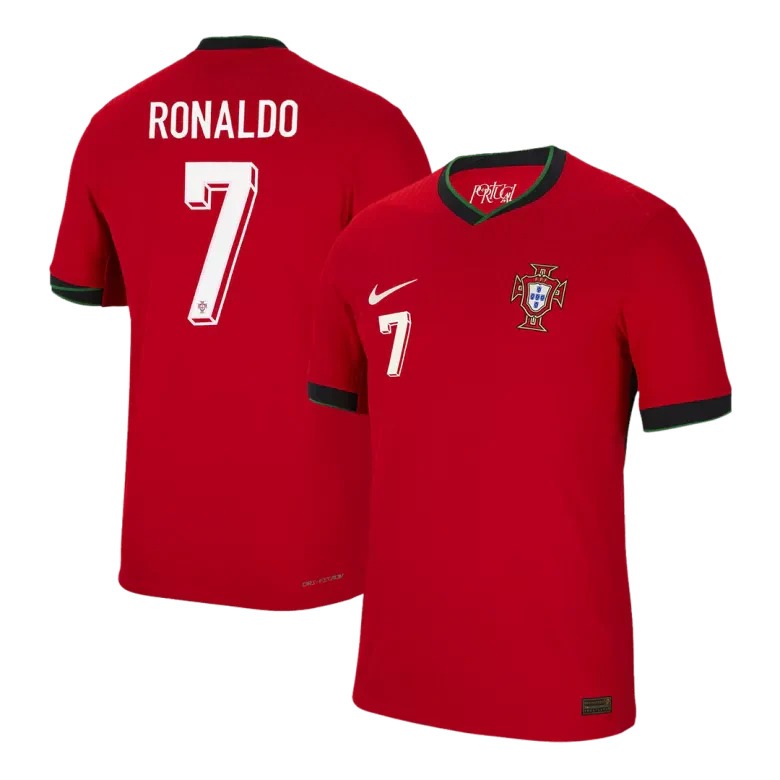
Red and white thrive under floodlights because the contrast reads clearly at speed. On television, it pops; in person, it feels even sharper. That clarity matters during tense stretches when every sprint and shoulder feint becomes dramatic. The most striking versions use white to create space for the eyes on sleeves, side panels, or trim so the red looks deeper and more urgent. Fans often say these shirts “look fast,” which is funny until you realize how often psychology shapes what we think we’re seeing.
How Details Shape Identity
A kit is basically a collection of small decisions pretending to be one simple design. Texture, stitching, striping angles, cuff finishing, even the weight of the badge, each element nudges perception. In recent years, brands have leaned into modern kit designs that use micro-patterns and engineered fabric zones to add depth without crowding the look. When those choices are restrained, a red-and-white shirt feels timeless; when they’re too loud, it can feel like the kit is trying to be the headline instead of the player.
Matchday Rituals and Shared Meaning
Supporters don’t just wear a shirt; they perform it. It’s on the chair before kickoff, folded with care, pulled on at a specific time, paired with “lucky” socks, photographed in the same mirror, and taken to the same seat. That rhythm is part of football fan culture, where the kit becomes a social signal: who you stand with, what you remember, what you hope for next. In that setting, a famous name on the back isn’t only about status; it’s a shorthand for a whole era of emotions.
From Terrace to Streetwear
The line between sport and everyday fashion has been blurry for decades, but it’s now practically invisible. People style jerseys with denim, layered hoodies, tailored trousers, and clean sneakers, turning match apparel intoa casual identity. A red-and-white top is especially adaptable because it reads like a classic color-block piece, not a loud costume. This is where football jersey style trends make sense: they aren’t about dressing like you’re on the pitch, but about wearing history in a way that feels current.
Collecting, Caring, and Spotting Authenticity
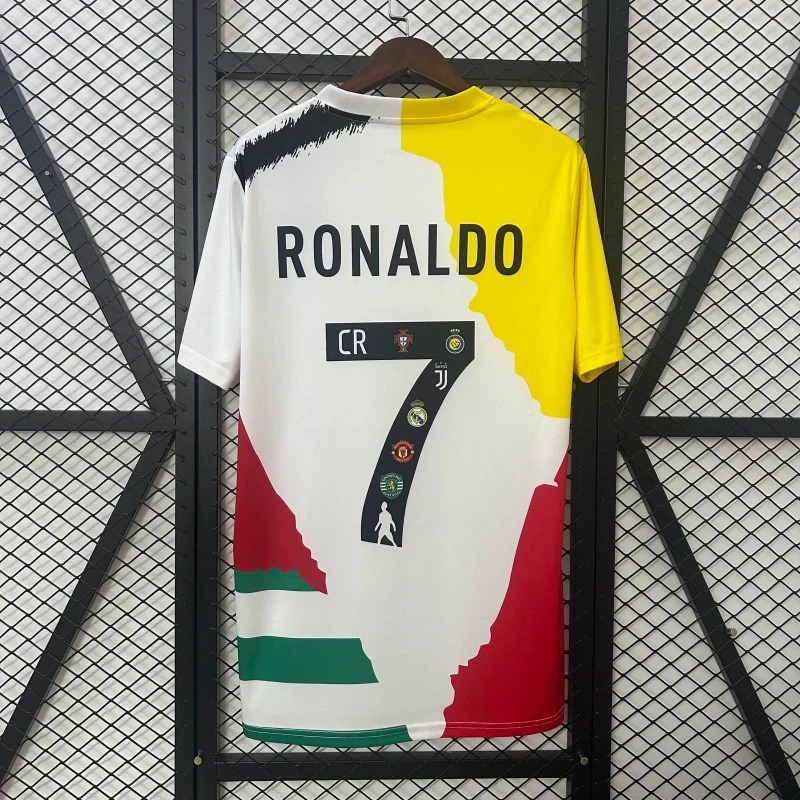
If you’re building a small collection, condition matters more than you think. Wash cold, avoid aggressive spin cycles, and keep shirts away from heat that can crack prints. For older pieces, storage is everything. Hang carefully or fold so badges and sponsors aren’t creased. If you’re buying secondhand, inspect stitching around the crest, check label consistency, and compare sponsor spacing with known references. Many fans looking for a Ronaldo football jersey prefer versions with minimal wear because the smallest flaws stand out on bold red panels.
Choosing the Right One for You
The “best” kit is personal: some people chase the one tied to a famous goal; others want the cleanest design; others still pick the shirt they couldn’t afford when they were younger. Consider how you’ll wear it framed, on matchdays, or styled casually. Also, think about fit, since cuts vary dramatically by year and brand. If you want versatility, lean toward a simpler red base with restrained white accents. If you want drama, look for bolder sleeves or a striking collar that turns heads the moment you walk in.
Closing Whistle
At the end of the day, a red-and-white kit endures because it holds a particular kind of confidence, proud, direct, and instantly recognizable. It reminds people of noise, nerves, joy, and the strange comfort of belonging to something bigger than themselves. If you’ve been thinking about adding a standout shirt to your rotation, take action now: revisit the seasons that mattered to you, pick the design that sparks an instant memory, and make it part of your own matchday ritual.