
An engagement ring is more than metal and stone; it represents years of stories, hopes, and promises between two people. More couples now want rings that reflect their values. Concerns about conflict diamonds, unsafe mines, and environmental damage have prompted shoppers in India to ask where their rings come from and what impact they have on workers and the planet.
An ethical engagement ring means fair pay and safe conditions for workers, reduced environmental damage, and clear information about sourcing. It requires honest brands that demonstrate genuine commitment beyond marketing claims.
This guide covers what makes a ring ethical, how to choose diamonds or gemstones, metal considerations, finding trustworthy jewelers, and staying within budget.
What Makes An Engagement Ring Ethical?
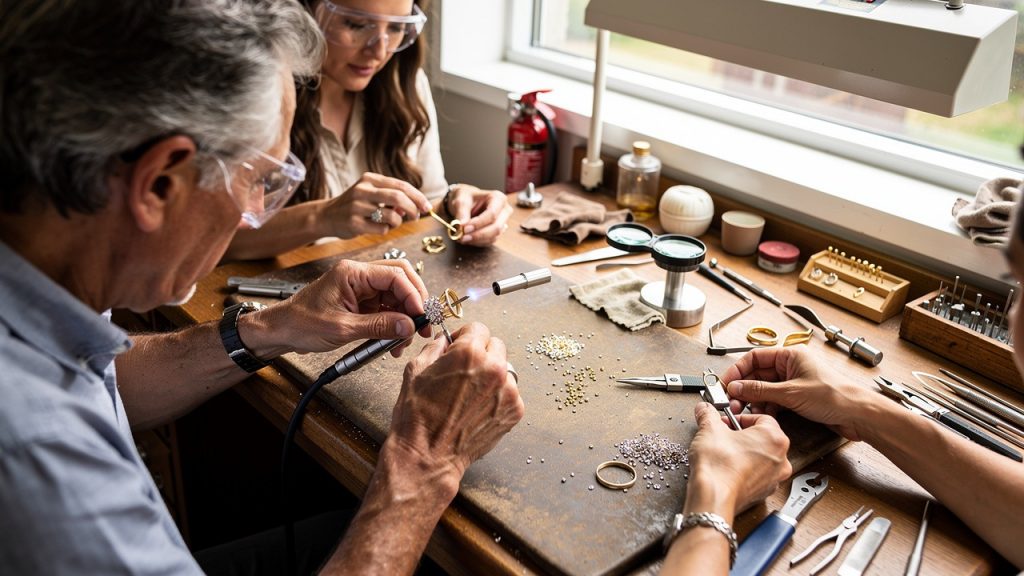
An ethical engagement ring comes from supply chains that respect workers, minimize environmental harm, and provide clear sourcing details.
Ethical rings focus on three areas:
- People: fair treatment, safe workplaces, decent wages
- Planet: lower pollution, less waste, careful resource use
- Proof: traceable sourcing and independent verification
Many brands mention conflict-free diamonds and the Kimberley Process, which aims to stop diamonds from funding rebel wars. While important, this system has limits. It addresses war funding but not broader issues like poor working conditions, child labor, or community harm.
Fair labor means miners, cutters, and polishers work safely, receive fair wages, and face no violence or abuse. It also means supporting local communities. Environmental care addresses how traditional mining causes deforestation, water pollution, and land damage. Ethical brands use better methods, smaller operations, or recycled materials.
Transparency connects these elements. Ethical jewelers explain where diamonds, gemstones, and metals originate. Certifications from groups like the Responsible Jewellery Council or Fairtrade Gold provide external verification.
Key terms:
- Ethics focuses on people and fairness
- Sustainability addresses long-term impact
- Eco-friendly emphasizes environmental protection
Understanding Diamond And Gemstone Options
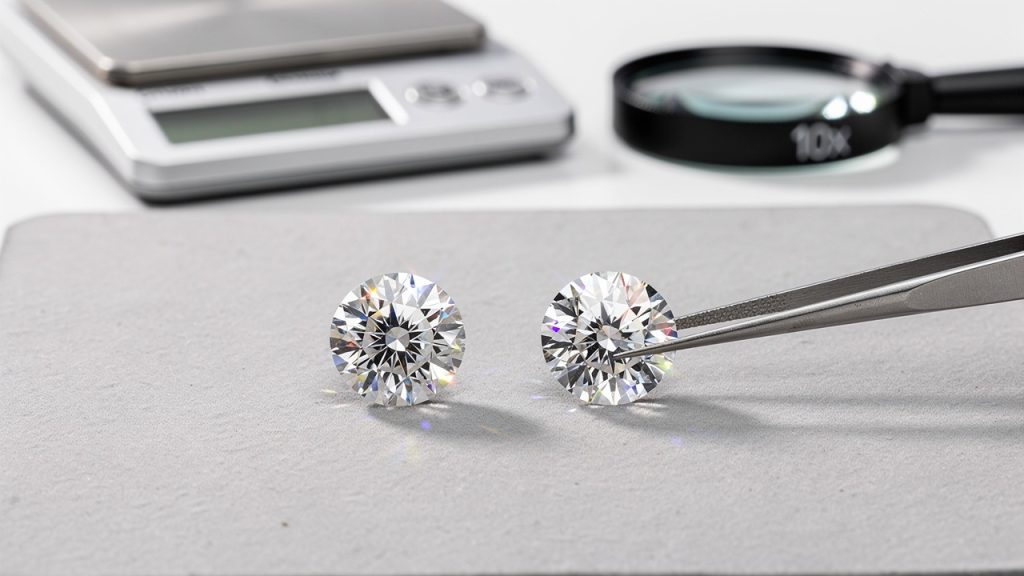
For natural diamonds, look beyond Kimberley Process certification. Ask jewelers for mine origin or country details and information about labor standards.
Lab-grown diamonds form in labs through processes mimicking natural conditions. They match mined diamonds physically and chemically while typically costing less and having lower environmental impact, though energy use varies by producer.
Among lab-grown options, the princess cut lab-grown diamond engagement ring remains a popular choice for couples who want sharp brilliance with a modern edge. Its square shape maximizes sparkle while using more of the rough stone, making it both visually striking and resource-efficient. When created in a lab setting, the princess cut combines ethical sourcing with a bold, contemporary design.
Colored gemstones like sapphires, rubies, and emeralds offer beautiful alternatives. Since many come from small-scale mines with weaker labor protections, request origin details and supplier standards.
Vintage and antique stones require no new mining. Inherited stones can be reset in modern designs, combining sustainability with family history.
The Four Cs remain important:
- Cut: affects sparkle most
- Clarity: internal and surface features
- Color: stone tint
- Carat: weight and size
Request lab reports from GIA or IGI and ask about sourcing details.
Choosing Ethical Precious Metals
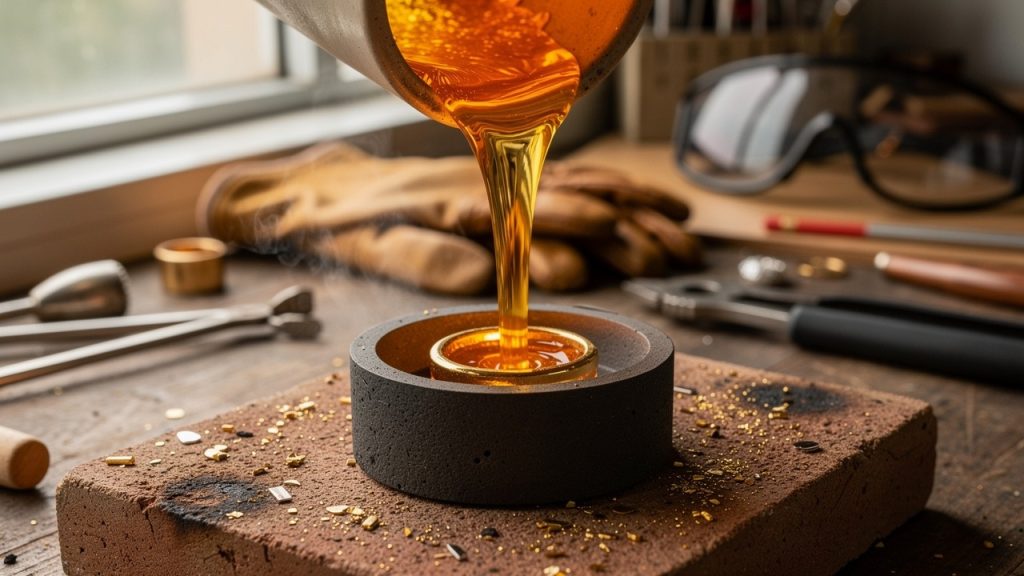
Traditional gold mining damages forests, pollutes water, and often involves poor labor conditions.
Recycled metals provide an excellent alternative. Gold, silver, and platinum maintain quality when recycled from old jewelry or industrial scraps, reducing mining demand.
Fairtrade certified gold comes from small-scale mines following stronger safety, pay, and environmental standards. While more expensive and less available in India, it directly benefits mining communities.
Metal choice depends on origin, not color. Yellow gold, white gold, rose gold, and platinum can all be ethical. Platinum offers durability and hypoallergenic properties. Alternative metals like palladium and titanium provide modern options with good strength.
Ask jewelers:
- Is the metal recycled or newly mined?
- Where does it come from?
- What certifications support your claims?
Finding An Ethical Jeweler

The jeweler determines whether good intentions become reality. Look for businesses sharing clear sourcing details rather than vague language.
Important questions:
- How do you verify conflict-free diamonds?
- Do you offer lab-grown diamonds or vintage stones?
- Is your gold recycled or Fairtrade certified?
- Which third parties verify your supply chain?
- Are you a Responsible Jewellery Council member?
Honest jewelers share their practices, improvement goals, and available proof.
Independent designers often know their suppliers better and offer more flexibility with inherited stones and recycled metals. Some larger Indian brands now publish detailed sourcing reports. Check reviews for mentions of transparency and responsive customer support.
Request grading reports, metal purity marks, and written sourcing documentation. Many ethical jewelers offer custom design, starting with value discussions.
Budget Considerations
Ethical rings need not strain finances. Lab-grown diamonds, recycled metals, and vintage pieces often cost less than traditional options while maintaining beauty and ethical integrity.
In India, simple ethical rings with lab-grown diamonds start around the mid five figures and reach one lakh or more for larger stones and complex designs. The range accommodates most budgets.
To maximize your budget:
- Prioritize cut quality over size
- Choose slightly lower carat weights
- Consider colored gemstones with diamond accents
- Reset vintage or family stones
- Ask about installment plans
Conclusion
An ethical ring adds meaningful layers to the traditional engagement symbol, reflecting care for workers, communities, and the environment.
Every choice matters, from diamond type to metal source to jeweler selection. While perfection is impossible, asking better questions and choosing stronger options support improved industry standards.
Couples can discuss what ethical means to them, explore llab-grownor responsibly sourced stones, seek recycled or fairly mined metals, and work with aligned jewelers. Beautiful, high-quality, ethical engagement rings exist at various price points in India. With care and curiosity, anyone can find a ring that looks right, feels right, and represents values they proudly wear daily.