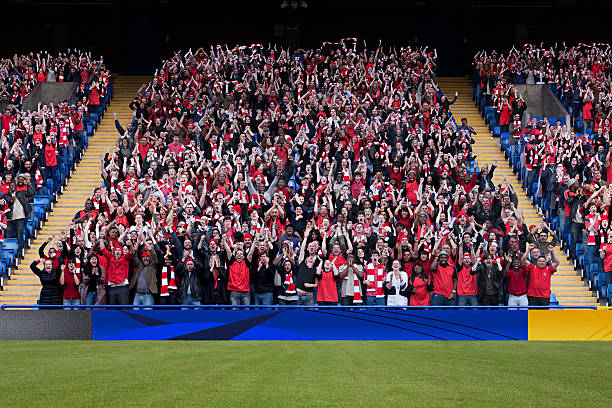
A life well lived is rarely tidy. It’s a trail of early mornings, late-night laughter, spontaneous detours, and small moments that feel bigger than they look. When vision starts to blur, those moments can feel distant, like you’re watching your own story through a foggy window. The good news is that you don’t have to pause your plans or shrink your world. With the right steps, clear sight can be part of your next chapter, not a memory of the last one.
When Everyday Scenes Start to Lose Their Spark
It often begins quietly: reading feels harder, streetlights glare at night, and colors seem less vivid than you remember. You may find yourself adjusting screens, avoiding driving after dusk, or leaning closer to recognize faces across a room. If you’ve been searching for a cataract surgeon in Vadodara, it’s usually because these changes have begun to interfere with the pace of your days, even if you’ve tried to brush them off as “normal aging.”
The Hidden Ways Blurry Sight Changes Your Confidence
Vision doesn’t only affect what you see, but it also affects how you move through the world. People may stop joining evening outings because headlights feel overwhelming, or they may hesitate on stairs because edges are harder to judge. A conversation across a table can become tiring when you’re constantly straining to focus. Many patients who consult a cataract surgeon in Vadodara describe feeling less adventurous long before they realize vision is the true reason.
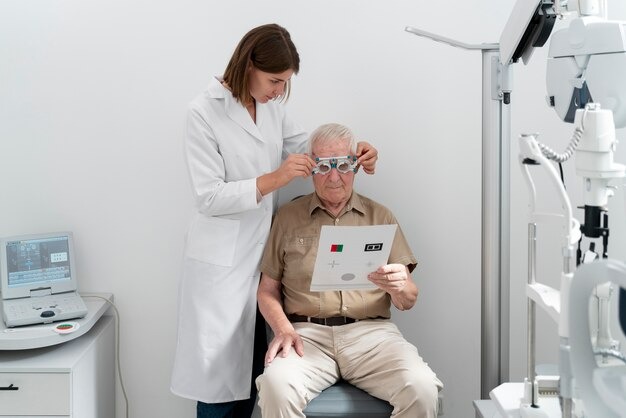
Understanding What’s Happening Inside The Eye
A cataract is essentially a clouding of the eye’s natural lens, and it can progress at different speeds for different people. Some notice a gradual haze over the years, while others feel the shift more quickly after health changes or medications. It’s also common to experience increased sensitivity to bright light, muted contrast, or double vision in one eye. While these symptoms can overlap with other conditions, an exam helps pinpoint the cause and clarify what options make sense for you.
Timing Matters More Than “Toughing it Out”
Many people wait because they assume they should only act when vision is “bad enough.” But the best time to address changes is when they start limiting what you want to do, work tasks, hobbies, or simple independence. During visits, clinicians often review how vision affects daily life, not just the numbers on a chart. That’s why thoughtful general eye care can be so valuable: it supports earlier detection and helps you plan confidently instead of reacting at the last minute.
What a Modern Assessment Typically Includes
A proper evaluation isn’t a rushed flashlight check. It usually involves testing visual clarity, measuring glare impact, examining the lens and retina, and discussing health history that may affect outcomes. You’ll also talk about your routines, screen time, driving, reading, and outdoor activities because lifestyle influences recommendations. When the conversation is thorough, it becomes easier to choose a path that matches your needs rather than following a one-size-fits-all timeline.
How Treatment Has Evolved Beyond “One Standard Option”
Today’s approaches are far more personalized than many people expect. Lens choices, measurement tools, and surgical techniques have advanced in ways that can better match your vision goals. Some people prioritize crisp distance vision for travel, while others want comfortable reading for long hours. If you’re exploring advanced vision care, it can help to ask how technology, lens selection, and precision measurements may affect recovery and daily comfort after treatment.
Preparing for a Smoother Recovery and Better Results
Good outcomes don’t start on the day of a procedure; they start with preparation. This can include managing dry eye, reviewing medications, controlling blood sugar if needed, and understanding what to expect during the healing period. It also helps to plan simple logistics: arranging transportation, clearing a calm space at home, and pausing high-dust chores briefly. When expectations are realistic and support is in place, many people feel calmer and more in control throughout the process.

Choosing Support That Fits Your Life, Not Just Your Prescription
Selecting where to seek help is a personal decision. Beyond credentials, consider communication style, clarity about risks and benefits, and how comfortable you feel asking questions. You want a team that explains options in plain language and respects your goals, whether that’s returning to night driving, enjoying crafts again, or feeling steady on hikes. If you’re meeting a cataract surgeon in Vadodara, bring a short list of daily activities you miss, because that context can shape recommendations more than you’d think.
Building Habits That Protect Your Clarity Afterward
Even after you take action, staying consistent with follow-ups can make a meaningful difference in long-term comfort. Many people are surprised by how quickly small improvements, such as better lighting at home, updated eyewear, and mindful screen breaks, reduce daily strain. It also helps to keep a simple “vision journal” for a week: note when glare feels worst, when focusing becomes tiring, and which tasks you avoid. These details give your care team a clearer picture of your real-world challenges and help tailor next steps.
Conclusion
Your adventures don’t have an expiration date. They simply evolve, and your vision can evolve with them. If cloudy sight has been quietly shrinking your world, it may be time to take that first step toward clarity. The most important move is not rushing into decisions, but choosing to learn what’s happening and what’s possible, so your next journey feels wide open again.